Corn Germ Oil: Press Temperature and Unsaturated Fatty Acids

Jul 24, 2025 By

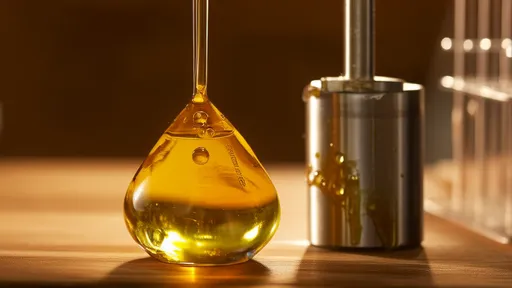
The production of corn germ oil has long been a subject of interest for both nutritionists and food scientists, particularly concerning the relationship between extraction temperatures and the preservation of unsaturated fatty acids. As consumers increasingly prioritize health-conscious choices, understanding how processing methods impact nutritional quality becomes crucial. The delicate balance between efficient oil extraction and maintaining beneficial fatty acids presents an ongoing challenge for manufacturers.

Corn germ oil stands out among vegetable oils due to its high concentration of unsaturated fatty acids, particularly linoleic acid (omega-6) and oleic acid (omega-9). These compounds contribute significantly to the oil's reputation as a heart-healthy option. However, the stability of these valuable nutrients during the extraction process remains a critical concern. Traditional methods often involve heat application to improve yield, but this approach may compromise the oil's nutritional profile.

Extraction temperature emerges as the pivotal factor influencing both the quantity and quality of the final product. Lower temperature pressing, typically below 60°C, better preserves heat-sensitive compounds but results in reduced oil yield. This cold-pressed approach maintains higher levels of vitamin E and phytosterols while protecting the delicate structure of polyunsaturated fats. The trade-off between yield and nutrient preservation continues to shape industry practices.

Industrial-scale production often employs temperatures ranging from 80°C to 120°C to maximize efficiency. While this increases output, research indicates progressive degradation of unsaturated fatty acids at these elevated temperatures. The degree of damage correlates directly with both temperature intensity and exposure duration. Notably, linoleic acid demonstrates particular sensitivity to thermal stress, with studies showing measurable reduction when extraction exceeds 90°C.

The molecular transformation of fatty acids under heat involves complex chemical processes. Elevated temperatures accelerate oxidation, leading to the formation of free radicals and peroxides. This not only diminishes nutritional value but also affects the oil's sensory qualities and shelf life. The degradation follows distinct patterns - first affecting the most unsaturated bonds, meaning omega-3 and omega-6 fatty acids suffer earliest and most severe damage.

Modern extraction technologies attempt to reconcile these competing priorities. Some processors now utilize multi-stage systems that combine mechanical pressing at moderate temperatures with subsequent solvent extraction. This hybrid approach aims to balance yield with quality preservation. Advanced monitoring systems allow precise temperature control throughout the extraction process, minimizing thermal stress on sensitive compounds.

Emerging research suggests that pre-treatment of corn germ before pressing significantly influences temperature effects. Enzymatic treatments or controlled moisture adjustment can reduce the required extraction temperature while maintaining satisfactory yields. These methods show promise for better preserving unsaturated fatty acids, though they require additional processing steps and equipment investment.

The storage stability of corn germ oil also relates directly to its extraction temperature history. Oils produced through high-temperature methods often contain more oxidation products initially and demonstrate faster degradation during storage. This creates a compounding effect where thermal damage during processing reduces the product's resistance to subsequent quality decline.

Nutritional analyses consistently reveal measurable differences between cold-pressed and conventionally processed corn germ oils. Beyond fatty acid profiles, these differences extend to antioxidant content and overall oxidative stability. The nutritional advantage of lower-temperature processing becomes particularly relevant for consumers using the oil uncooked, as in dressings or dips, where the preserved nutrients remain fully bioavailable.

Industry standards and regulations continue to evolve regarding temperature claims on corn oil products. The term "cold-pressed" now carries specific legal definitions in many markets, typically requiring extraction below 50°C. Verification of these claims presents challenges, as post-extraction handling can also affect final quality. Sophisticated analytical methods like gas chromatography and mass spectrometry enable more accurate assessment of thermal impact on oil composition.

Consumer education plays an increasingly important role in this discussion. Many buyers remain unaware of how processing temperatures affect their cooking oil's nutritional value. Transparent labeling and clear communication about extraction methods could help bridge this knowledge gap. Some premium brands now highlight their low-temperature processing as a key selling point, though this typically comes with higher price points.

Future developments in corn oil extraction will likely focus on optimizing the temperature-yield-quality triangle. Novel technologies like supercritical fluid extraction or ultrasound-assisted pressing may offer solutions. These methods show potential for efficient extraction at lower temperatures, though scalability and cost-effectiveness remain hurdles for widespread adoption.

The scientific community continues to investigate the precise mechanisms of fatty acid degradation during oil processing. Recent studies examine not just the quantity of preserved unsaturated fats, but changes in their molecular configuration under thermal stress. Cis-trans isomerization, while less common in plant oils than hydrogenated fats, still occurs to some degree during high-temperature extraction.

From a global perspective, the implications of extraction methods extend beyond nutrition. Energy consumption and environmental impact vary significantly between low-temperature and conventional processing. As sustainability concerns grow, the industry must consider both the nutritional and ecological footprints of different production methods.

Practical recommendations for manufacturers continue to emphasize finding the optimal balance for their specific market. For mass-market products where price sensitivity dominates, moderate-temperature extraction may remain standard. For premium health-focused segments, investment in low-temperature technologies could provide competitive advantage. The diversity of corn varieties and growing conditions further complicates universal recommendations, as different germ compositions respond uniquely to processing conditions.

Ultimately, the corn oil industry faces the classic challenge of balancing efficiency with quality. As research provides clearer understanding of temperature effects on unsaturated fatty acids, processors gain better tools for making informed decisions. The coming years will likely see continued innovation in extraction technologies, driven by both consumer demand for healthier options and the industry's pursuit of sustainable practices.
Recommend Posts
Food

Thermal Behavior of the Stratified Structure of Pork Belly Fat

By /Jul 24, 2025

The layered structure of pork belly, with its alternating bands of muscle and fat, presents a fascinating case study in thermal behavior during cooking. Unlike homogeneous cuts of meat, pork belly's distinct strata respond differently to heat due to variations in fat melting points and connective tissue composition. This interplay creates the textural alchemy that transforms tough raw tissue into unctuous, fork-tender delicacies across global cuisines.
Food

Waxy Rice Amylose: The Key to Rice Grain Separation in Clay Pot Rice

By /Jul 24, 2025

In the bustling night markets of Hong Kong and the family-run eateries of Guangzhou, the sizzle of clay pot rice being prepared signals more than just another meal—it represents a centuries-old culinary tradition where texture reigns supreme. At the heart of this beloved dish lies a scientific marvel: the amylose content of indica rice, which holds the key to achieving those prized separate, non-sticky grains that define authentic clay pot rice.
Food

Comparison of Juice Density in Different Watermelon Varieties

By /Jul 24, 2025

The watermelon, a quintessential summer fruit, is beloved not just for its refreshing sweetness but also for its high water content. Across different varieties, the juice density and hydration properties vary significantly, influenced by genetics, growing conditions, and ripeness. This article delves into the fascinating world of watermelon hydration, comparing juice density among popular cultivars and exploring what makes each unique.
Food

Molecular Basis of Cooking Viscosity in Oat Beta-Glucan

By /Jul 24, 2025

Oats have long been celebrated for their nutritional benefits, particularly due to the presence of β-glucan, a soluble fiber known for its cholesterol-lowering and blood sugar-regulating properties. Beyond its health advantages, β-glucan plays a crucial role in determining the viscosity of oat-based products during cooking. Understanding the molecular mechanisms behind this phenomenon provides valuable insights for food scientists and manufacturers aiming to optimize texture and nutritional quality.
Food

Casein Micelles: The Microstructure of Cheese Stretchiness

By /Jul 24, 2025

The stretchy, gooey texture of melted mozzarella on a pizza or the satisfying pull of a fresh cheese curd isn’t just culinary magic—it’s a marvel of microscopic architecture. At the heart of this phenomenon lies the casein micelle, a complex protein structure that dictates how cheese behaves under heat and stress. Understanding these micelles isn’t just academic; it shapes how cheesemakers craft textures and how food scientists engineer plant-based alternatives. This deep dive into the world of casein micelles reveals why some cheeses stretch while others crumble.
Food

Myofibrillar Proteins: The Mechanism of Salt-Marination for Tenderizing Chicken Breast Meat

By /Jul 24, 2025

The science behind tender, succulent chicken breast has long fascinated both chefs and food scientists alike. While numerous techniques exist to achieve that perfect texture, salt brining stands out as one of the most effective methods. At the heart of this process lies the intricate behavior of myofibrillar proteins, which undergo remarkable transformations when exposed to salt solutions. Understanding these molecular changes not only elevates culinary practice but also reveals fascinating insights into meat science.
Food

Corn Germ Oil: Press Temperature and Unsaturated Fatty Acids

By /Jul 24, 2025

The production of corn germ oil has long been a subject of interest for both nutritionists and food scientists, particularly concerning the relationship between extraction temperatures and the preservation of unsaturated fatty acids. As consumers increasingly prioritize health-conscious choices, understanding how processing methods impact nutritional quality becomes crucial. The delicate balance between efficient oil extraction and maintaining beneficial fatty acids presents an ongoing challenge for manufacturers.
Food

Control Elements for Lactose Crystallization: Creating a Sandy Texture in Ice Cream

By /Jul 24, 2025

The texture of ice cream is a delicate balance between smooth creaminess and undesirable graininess. Among the many factors influencing this texture, lactose crystallization stands as a critical yet often overlooked element. When lactose crystals grow beyond a certain size, they impart a gritty or sandy sensation on the palate, detracting from the luxurious mouthfeel that defines premium ice cream. Understanding and controlling lactose crystallization is therefore essential for manufacturers aiming to deliver consistently superior products.
Food

Banana Ethylene Release: Multi-Stage Changes in the Ripening Process

By /Jul 24, 2025

The ripening of bananas is a fascinating natural process governed by the release of ethylene gas, a plant hormone that triggers a cascade of biochemical changes. While most consumers only see the final stages of ripening—when the fruit turns from green to yellow—the underlying mechanisms involve multiple phases, each with distinct physiological and chemical transformations. Understanding these stages is crucial for both commercial suppliers aiming to optimize shelf life and home consumers seeking to manage their fruit's ripeness.
Food

Laboratory Determination of Mung Bean Starch Gel Elasticity

By /Jul 24, 2025

In the realm of food science, understanding the functional properties of ingredients is crucial for product development and quality control. Mung bean starch, a staple in many Asian cuisines, has gained attention for its unique gelling characteristics, particularly in the production of cold dishes like liangfen (Chinese cold jelly). Recent laboratory studies have focused on quantifying the elastic properties of mung bean starch gels, revealing fascinating insights into its molecular behavior and culinary applications.
Food

Astaxanthin Distribution: Spectral Analysis of Salmon Flesh Color

By /Jul 24, 2025

The vibrant pink-orange hue of salmon fillets has long captivated consumers and scientists alike, serving as both a visual marker of quality and a biological puzzle rooted in marine ecosystems. This distinctive coloration stems primarily from astaxanthin, a potent carotenoid pigment that salmon accumulate through their diet of crustaceans and microalgae. Recent advances in spectroscopic analysis have deepened our understanding of how this pigment distributes through muscle tissue, revealing patterns that speak to the fish's life history, nutritional status, and even potential stress responses during migration.
Food

Myoglobin Coloration: Quantitative Analysis of Steak Doneness Discrepancies

By /Jul 24, 2025

The art of cooking steak to perfection has long been a subject of both culinary expertise and scientific curiosity. Among the many factors that determine a steak's doneness, the color change in myoglobin – the protein responsible for meat's reddish hue – serves as one of the most reliable visual indicators. Understanding how myoglobin transitions through various shades can transform the way chefs and home cooks alike approach steak preparation, turning an intuitive process into a quantifiable science.
Food

Microscopic Observation of Citrus Essential Oil Distribution in Fruit Peel Alveoli

By /Jul 24, 2025

The world of citrus essential oils is a fascinating realm where science meets nature's intricate design. Among the most captivating aspects of citrus fruits lies within their peel – specifically, the oil glands or vesicles that harbor these precious aromatic compounds. These microscopic structures hold the key to understanding how citrus fruits produce, store, and release their characteristic fragrances and flavors.
Food

Squid Collagen: The Critical Temperature Point for Contraction in Stir-Frying

By /Jul 24, 2025

The culinary world has long been fascinated by the transformative properties of squid collagen when exposed to high heat. Among professional chefs and food scientists alike, the precise temperature threshold at which squid collagen contracts during stir-frying has become a subject of both practical importance and scientific curiosity. This phenomenon not only affects the texture and mouthfeel of cooked squid but also determines the success of numerous seafood dishes across various cuisines.
Food

Soy Isoflavones: Changes in Content During the Tofu Coagulation Process

By /Jul 24, 2025

The journey from soybean to tofu is not merely a physical transformation but a complex biochemical dance where nutrients undergo significant changes. Among these, soy isoflavones—the much-celebrated phytoestrogens—exhibit fascinating behavior during coagulation, challenging conventional wisdom about their stability. Recent studies reveal that the very process meant to solidify tofu alters isoflavone profiles in unexpected ways, with consequences for both nutritional value and potential health benefits.
Food

Mechanical Testing of Rigidity in Scallop Adductor Muscle

By /Jul 24, 2025

The culinary world has long prized scallops for their delicate flavor and unique texture, but few diners realize the remarkable biomechanics behind their favorite seafood. A new wave of scientific research is focusing on the scallop's adductor muscle - that plump, cylindrical morsel chefs call the "scallop muscle" or "scallop column" - to understand what gives this mollusk its characteristic resilience.
Food

Collagen Conversion Rate: Gelatin Generation Curve of Beef Tendon Stew

By /Jul 24, 2025

The culinary world has long been fascinated by the transformative power of heat on animal connective tissues, particularly when it comes to the conversion of collagen into gelatin. Among these tissues, beef tendon stands out as a remarkable case study due to its dense collagen structure and the dramatic textural changes it undergoes during prolonged cooking. This article explores the gelatin formation curve of beef tendon during braising, examining the complex interplay of time, temperature, and molecular breakdown that creates that coveted unctuous mouthfeel in dishes ranging from pho to Taiwanese beef noodle soup.
Food

Ovomucoid: The Smooth Protective Layer on the Surface of Boiled Eggs

By /Jul 24, 2025

The humble boiled egg, a staple of breakfast tables worldwide, holds a secret beneath its smooth exterior. That flawless, almost porcelain-like surface of the egg white isn't just a happy accident of cooking – it's the handiwork of a remarkable protein called ovomucin. This unsung hero of egg chemistry creates an invisible shield that protects the delicate albumen while giving boiled eggs their characteristic sleek finish.
Food

Viscosity Coefficient of Seaweed Gel for Kelp Soup Thickness

By /Jul 24, 2025

The viscosity of seaweed colloids, particularly in the context of kelp soup, has long fascinated both culinary experts and food scientists alike. The unique thickening properties of these marine-derived polysaccharides offer a natural alternative to synthetic thickeners, while also contributing distinct umami flavors. Recent studies have delved deeper into understanding the complex rheological behavior of these colloidal systems, revealing surprising connections between molecular structure and macroscopic texture.
Food

The Cause of Blade-like Texture in Fish Myofibrillar Proteins When Steamed

By /Jul 24, 2025

The delicate flaky texture of steamed fish has long been celebrated in culinary traditions worldwide, yet few diners realize this characteristic mouthfeel stems from precise biological architecture. When a perfectly steamed fish fillet separates into translucent petals at the touch of chopsticks, we're witnessing the graceful surrender of a complex protein matrix evolved over 500 million years. This phenomenon transcends simple cooking technique - it's a dance between marine biology and food science where collagen, elastin, and heat converge.