Oats have long been celebrated for their nutritional benefits, particularly due to the presence of β-glucan, a soluble fiber known for its cholesterol-lowering and blood sugar-regulating properties. Beyond its health advantages, β-glucan plays a crucial role in determining the viscosity of oat-based products during cooking. Understanding the molecular mechanisms behind this phenomenon provides valuable insights for food scientists and manufacturers aiming to optimize texture and nutritional quality.
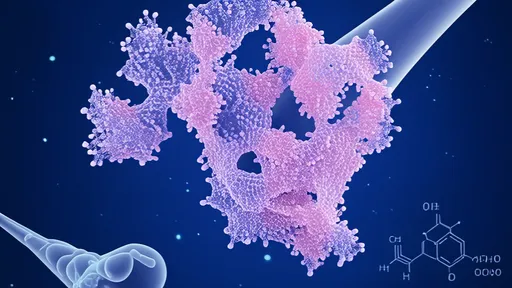
The unique structure of oat β-glucan is central to its behavior in aqueous solutions. Composed of linear chains of D-glucose units linked by β-(1→3) and β-(1→4) glycosidic bonds, this polysaccharide forms a flexible, elongated molecule. The arrangement of these bonds creates regions of consecutive β-(1→4) linkages, which resemble cellulose, interspersed with single β-(1→3) linkages that introduce kinks in the chain. This structural feature prevents tight packing and allows the molecule to interact extensively with water, leading to swelling and increased viscosity.
When oats are cooked in water, heat disrupts the hydrogen bonds within the β-glucan molecules, enabling them to hydrate and dissolve. As the temperature rises, the hydrated β-glucan chains begin to entangle, forming a three-dimensional network that traps water molecules. This network is responsible for the characteristic thickening observed in oat porridge and other cooked oat products. The extent of viscosity development depends on several factors, including the molecular weight of the β-glucan, its concentration in the solution, and the cooking conditions.
Molecular weight plays a pivotal role in determining the viscosity of oat β-glucan solutions. Higher molecular weight polymers have longer chains that can form more extensive networks, resulting in greater viscosity at equivalent concentrations. However, processing methods such as milling and extrusion can degrade β-glucan, reducing its molecular weight and, consequently, its thickening capacity. This explains why whole oat groats often produce thicker porridges compared to heavily processed instant oats.
The concentration of β-glucan in the cooking medium also significantly influences viscosity. At low concentrations, the molecules move freely with minimal interaction. As concentration increases, the probability of molecular encounters rises, leading to more frequent entanglements and a dramatic increase in viscosity. This relationship follows a power-law behavior, where small changes in concentration can result in substantial changes in viscosity, particularly above a critical concentration threshold.
Cooking temperature and time are additional critical factors affecting viscosity development. Heating facilitates the dissolution of β-glucan by providing the energy needed to break intermolecular bonds. Prolonged heating can lead to two competing effects: continued hydration and molecular disentanglement versus potential degradation of the polysaccharide chains. Optimal cooking conditions must balance these factors to achieve the desired texture while preserving the nutritional integrity of the β-glucan.
The presence of other components in oats, such as proteins and lipids, can modify β-glucan's viscosity-building properties. Some proteins may interact with β-glucan through non-covalent bonds, potentially enhancing network formation. Conversely, lipids might interfere with water access to β-glucan molecules, delaying hydration. These interactions highlight the complexity of real food systems compared to isolated β-glucan solutions and underscore the importance of considering the whole food matrix in product development.
Recent advances in analytical techniques have enabled more precise characterization of β-glucan's molecular properties and their relationship to viscosity. Size-exclusion chromatography coupled with multi-angle light scattering provides accurate molecular weight distributions, while rheological measurements quantify the viscoelastic behavior of β-glucan solutions under various conditions. These tools allow researchers to establish structure-function relationships that can guide the selection of oat varieties and processing methods for specific culinary applications.
From a practical standpoint, understanding the molecular basis of β-glucan viscosity has important implications for food product development. Formulators can manipulate variables such as particle size, processing history, and cooking protocols to achieve desired textures in oat-based beverages, soups, and baked goods. Additionally, this knowledge supports the creation of standardized testing methods for quality control, ensuring consistent performance of oat ingredients across different production batches.
Looking forward, ongoing research continues to explore ways to enhance the functional properties of oat β-glucan while maintaining its health benefits. Genetic studies aim to identify oat cultivars with naturally higher molecular weight β-glucan, while novel processing techniques seek to minimize degradation during manufacturing. Such developments promise to expand the culinary applications of oats and improve the sensory qualities of β-glucan-fortified foods.
The interplay between oat β-glucan's molecular characteristics and its macroscopic behavior during cooking exemplifies the fascinating connection between food chemistry and culinary performance. As our understanding of these relationships deepens, we gain greater ability to harness nature's molecular designs for both nutritional and textural optimization in food products.
By /Jul 24, 2025

By /Jul 24, 2025
By /Jul 24, 2025

By /Jul 24, 2025

By /Jul 24, 2025
By /Jul 24, 2025

By /Jul 24, 2025
By /Jul 24, 2025
By /Jul 24, 2025
By /Jul 24, 2025
By /Jul 24, 2025
By /Jul 24, 2025
By /Jul 24, 2025

By /Jul 24, 2025

By /Jul 24, 2025

By /Jul 24, 2025
By /Jul 24, 2025
By /Jul 24, 2025
By /Jul 24, 2025

By /Jul 24, 2025