The science behind tender, succulent chicken breast has long fascinated both chefs and food scientists alike. While numerous techniques exist to achieve that perfect texture, salt brining stands out as one of the most effective methods. At the heart of this process lies the intricate behavior of myofibrillar proteins, which undergo remarkable transformations when exposed to salt solutions. Understanding these molecular changes not only elevates culinary practice but also reveals fascinating insights into meat science.
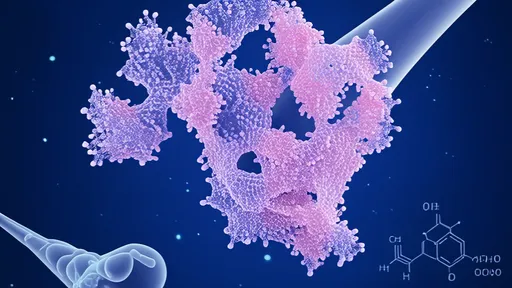
Myofibrillar proteins, the primary structural components of muscle fibers, play a pivotal role in determining meat texture. In chicken breast, these proteins form tightly packed networks that can often result in a dry, tough consistency when cooked improperly. However, when subjected to salt brining, these proteins undergo a series of structural modifications that fundamentally alter their behavior. The sodium chloride in the brine disrupts the protein matrix, causing the filaments to swell and absorb moisture. This hydration effect creates a more tender mouthfeel while simultaneously preventing moisture loss during cooking.
The mechanism begins at the molecular level as salt ions interfere with electrostatic interactions between protein filaments. Chloride ions particularly affect the spacing between actin and myosin filaments, while sodium ions alter the protein's charge distribution. This dual action causes the protein matrix to expand, creating microscopic pockets that trap water molecules. As the brine penetrates deeper into the muscle tissue, these changes occur throughout the entire thickness of the meat, not just at the surface. This explains why properly brined chicken maintains its juiciness even when subjected to high-heat cooking methods that would normally cause significant moisture loss.
Osmosis and diffusion work in tandem during the brining process to redistribute moisture evenly throughout the meat. The salt concentration gradient drives water movement into the muscle fibers, while the disrupted protein structure provides more space for this water to occupy. Interestingly, the salt doesn't just affect water retention—it also causes partial denaturation of the proteins. This controlled unfolding of protein strands makes them less prone to excessive contraction during cooking, another factor contributing to the final tender texture. The degree of denaturation depends on both brine concentration and duration, highlighting the importance of precise brining times and salt ratios.
Beyond simple hydration, salt alters the functional properties of myofibrillar proteins in ways that affect the meat's overall eating quality. The increased water-holding capacity translates to better heat transfer during cooking, resulting in more even doneness. Additionally, the modified protein structure affects how light reflects off the cooked meat's surface, contributing to that appealing glossy appearance of perfectly brined chicken. These changes occur without making the meat taste excessively salty, as the brine concentration typically used (5-8%) balances flavor enhancement with texture modification.
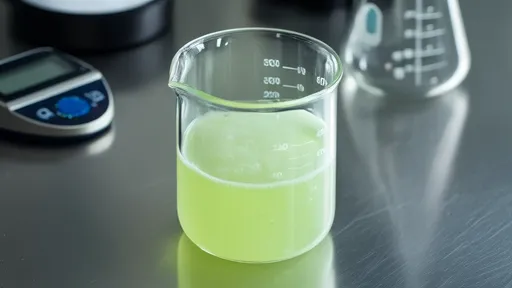
The temperature at which brining occurs significantly influences these protein interactions. Cold brining (2-4°C) slows down the process but allows for more controlled protein changes, while room temperature brining accelerates the effects but requires careful timing to prevent over-brining. Professional kitchens often prefer cold brining overnight, as the extended time allows for thorough penetration and even protein modification throughout the entire cut of meat. This method proves particularly effective for thicker cuts where surface brining might not adequately reach the center.
Modern culinary science has refined traditional brining techniques by understanding these protein interactions. Some advanced approaches incorporate phosphates alongside salt to further enhance water retention, though pure salt brining remains the gold standard for home cooks seeking natural methods. The key lies in recognizing that brining isn't merely about adding saltiness—it's a carefully orchestrated process of protein modification that transforms the very structure of the meat. When executed properly, the result is chicken breast that retains up to 10% more moisture during cooking compared to unbrined counterparts, with a noticeably more tender bite.
Interestingly, the benefits of salt brining extend beyond texture alone. The modified protein structure also affects flavor compound distribution throughout the meat. As the proteins unwind and create more space between molecules, they allow for better penetration of aromatics and seasonings added to the brine. This explains why brined chicken often tastes more thoroughly seasoned, even when the flavorings don't penetrate deeply in unbrined meat. The salt also interacts with flavor receptors on our tongues, enhancing the perception of other tastes present in the dish.
While the science behind brining is complex, its application remains beautifully simple. A basic brine of water, salt, and sometimes sugar can work wonders on even the leanest chicken breasts. The sugar, while not directly affecting the proteins, helps balance flavors and promotes better browning during cooking—a secondary benefit to the primary protein modifications. As home cooks become more aware of these scientific principles, they can better troubleshoot common issues like over-brining (which can make meat mushy) or under-brining (which yields incomplete texture improvement).
The relationship between myofibrillar proteins and salt brining represents one of the most practical applications of food science in everyday cooking. By understanding how salt alters protein structures at the molecular level, cooks gain the power to consistently produce chicken breast with ideal texture and moisture. This knowledge bridges the gap between scientific research and culinary art, proving that sometimes, the simplest techniques have the most profound effects on what we eat. As research continues to uncover more details about protein behavior in meats, these fundamental principles will undoubtedly lead to even more innovative cooking methods in the future.
By /Jul 24, 2025
By /Jul 24, 2025
By /Jul 24, 2025
By /Jul 24, 2025

By /Jul 24, 2025
By /Jul 24, 2025
By /Jul 24, 2025
By /Jul 24, 2025
By /Jul 24, 2025
By /Jul 24, 2025
By /Jul 24, 2025
By /Jul 24, 2025
By /Jul 24, 2025
By /Jul 24, 2025

By /Jul 24, 2025
By /Jul 24, 2025
By /Jul 24, 2025
By /Jul 24, 2025
By /Jul 24, 2025
By /Jul 24, 2025