The journey from soybean to tofu is not merely a physical transformation but a complex biochemical dance where nutrients undergo significant changes. Among these, soy isoflavones—the much-celebrated phytoestrogens—exhibit fascinating behavior during coagulation, challenging conventional wisdom about their stability. Recent studies reveal that the very process meant to solidify tofu alters isoflavone profiles in unexpected ways, with consequences for both nutritional value and potential health benefits.
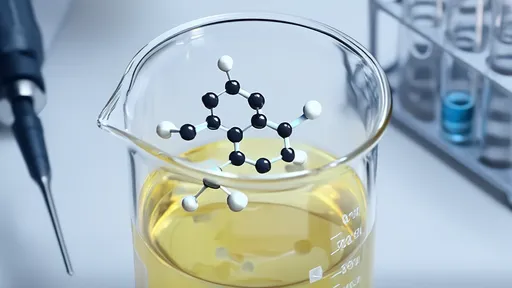
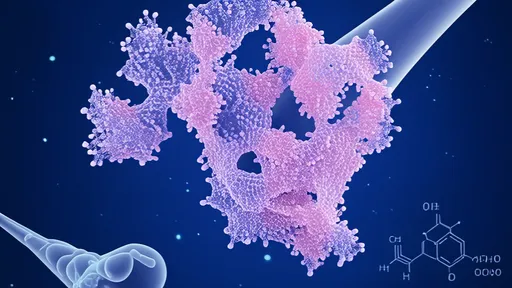
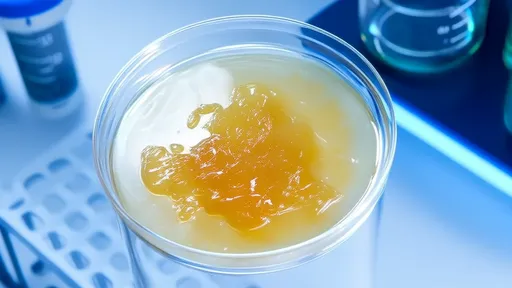
Raw soybeans contain isoflavones primarily in their glycoside forms (daidzin, genistin, glycitin), which are bound to sugar molecules. During tofu production, the soaking and grinding stages initiate enzymatic reactions where β-glucosidase cleaves these sugar attachments, converting glycosides into bioactive aglycones (daidzein, genistein, glycitein). This liberation matters profoundly, as aglycones demonstrate 3-5 times higher bioavailability in human digestion compared to their glycoside counterparts. The coagulation method—be it calcium sulfate, magnesium chloride, or glucono delta-lactone (GDL)—further dictates the final isoflavone equilibrium.
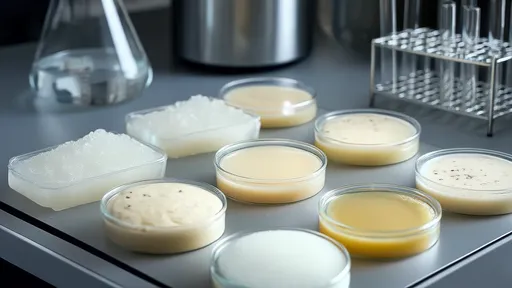
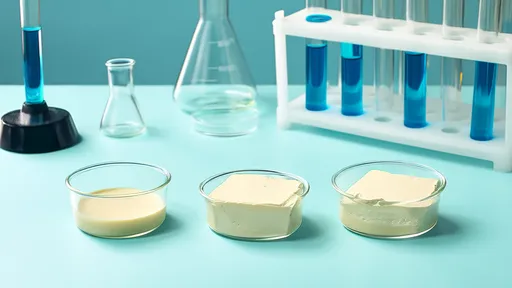
Traditional calcium sulfate coagulation creates an alkaline environment that preserves aglycones remarkably well. Artisanal tofu makers in East Asia have unwittingly optimized this for centuries—their products retain up to 80% of aglycones post-coagulation. Conversely, modern GDL coagulation, despite producing smoother textures, creates acidic conditions that trigger partial re-conversion to glycosides. This explains why silken tofu often shows 15-20% lower aglycone content than firm varieties, a fact overlooked by many nutrition labels.
The temperature-time relationship during coagulation emerges as another critical factor. Prolonged coagulation at temperatures above 85°C causes oxidative degradation of genistein—the most potent isoflavone—into inactive metabolites. Japanese researchers documented a 32% genistein loss in overcooked tofu, while quick-set methods at 70-75°C preserved 92% of original content. Such findings are revolutionizing industrial practices, with leading manufacturers now installing precision temperature-controlled coagulation vats.
Curiously, the whey discarded during pressing contains 12-18% of total isoflavones, predominantly the water-soluble glycosides. Some innovative producers now recover this "isoflavone serum" for nutraceutical applications. Meanwhile, the pressed curd concentrates fat-soluble aglycones, making firm tofu a more potent source of bioavailable isoflavones than previously assumed. Analytical data shows that a 100g serving of calcium-coagulated firm tofu delivers 38mg aglycones—equivalent to the dose used in many clinical trials on menopausal symptom relief.
The implications extend beyond nutrition science into food chemistry. Magnesium chloride coagulation—increasingly popular for its clean taste—produces unique isoflavone complexes resistant to gastric acid breakdown. Taiwanese studies found these complexes survive intestinal passage intact, potentially enhancing colonic delivery. Such nuances explain why epidemiological studies sometimes show conflicting results about soy's health effects—the devil lies in the coagulation details.
As consumers grow increasingly sophisticated about functional foods, understanding these transformations becomes crucial. The next frontier involves optimizing coagulation protocols specifically for isoflavone preservation, possibly through hybrid coagulants or staged pH adjustment. What remains clear is that tofu isn't merely a protein source—it's a dynamic carrier of phytonutrients whose final nutritional fingerprint is determined at the coagulation vat.
By /Jul 24, 2025
By /Jul 24, 2025
By /Jul 24, 2025
By /Jul 24, 2025
By /Jul 24, 2025
By /Jul 24, 2025
By /Jul 24, 2025
By /Jul 24, 2025
By /Jul 24, 2025
By /Jul 24, 2025
By /Jul 24, 2025
By /Jul 24, 2025
By /Jul 24, 2025
By /Jul 24, 2025
By /Jul 24, 2025
By /Jul 24, 2025
By /Jul 24, 2025
By /Jul 24, 2025
By /Jul 24, 2025
By /Jul 24, 2025